Measuring Private Referral Traffic From Newsletters and Messaging Apps
Jamie

Why “private referral” breaks your acquisition reporting
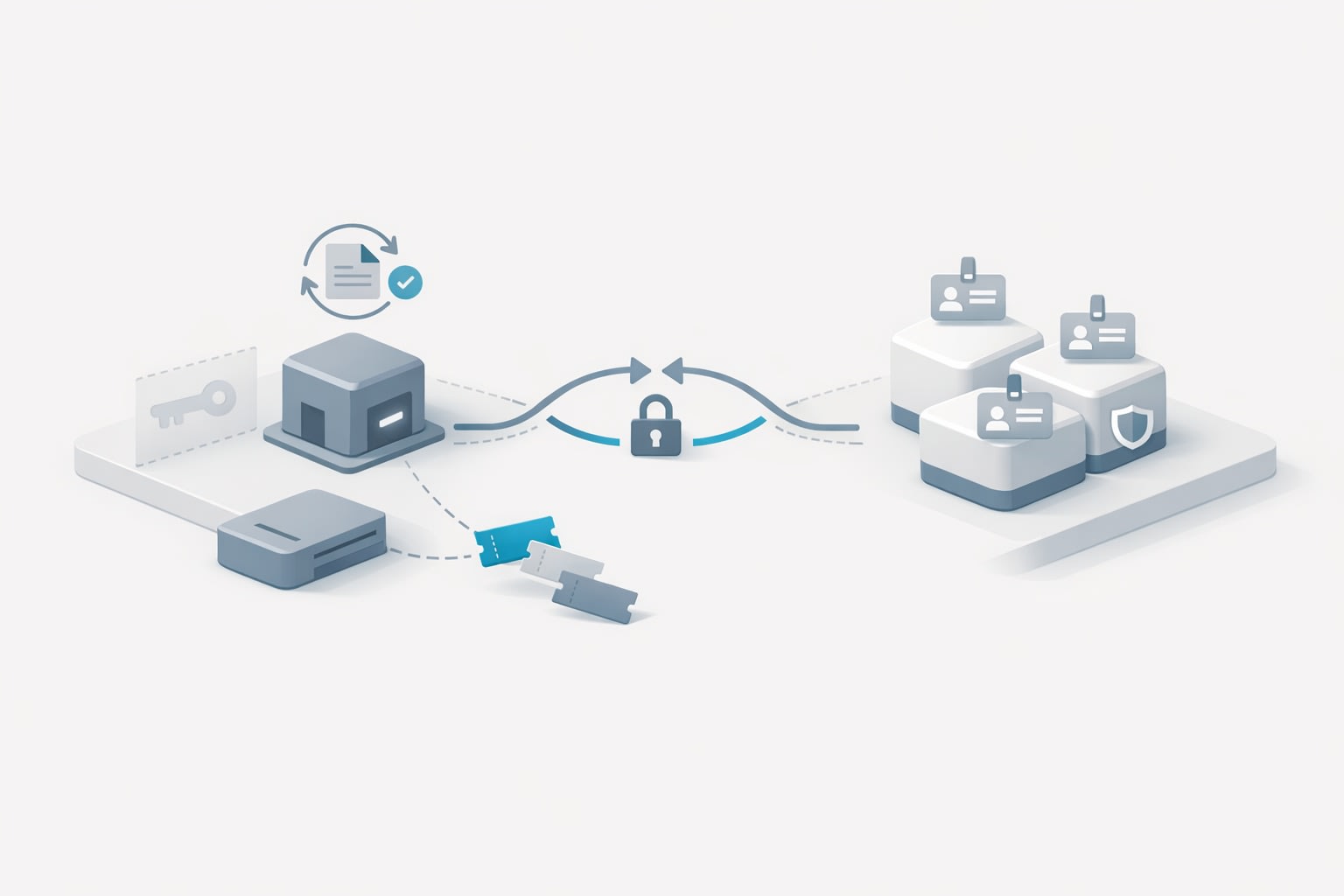
Traffic that arrives from email newsletters, Slack, Teams, iMessage, WhatsApp, and DMs often shows up as Direct in analytics. Not because people typed your URL, but because the referrer is frequently missing, stripped, or intentionally suppressed by the app, the OS, or the browser’s privacy model. This is the “private referral” problem: the click happened in a private context, so your analytics gets no reliable “from where.”
This isn’t a bug you can “fix” with cookies. Cookies help recognize a returning browser, but they don’t magically restore a referrer header. And link shorteners often create more problems than they solve: extra redirects, deliverability concerns in newsletters, and a new domain that can get flagged by corporate filters.
The realistic goal is to measure private referral as a channel with high confidence, not to identify individuals or reconstruct every share path.
Where the referrer disappears in practice
Private referrals typically turn into Direct/Unknown because of a few predictable patterns:
- Native apps open an in-app browser that may not pass a referrer consistently.
- Cross-app handoffs (newsletter app → browser, chat app → browser) can drop metadata.
- Privacy protections reduce the amount of information available in headers and storage.
- Copy/paste sharing (someone pastes a URL into a message) has no referrer by definition.
So if you’re looking at a spike in Direct after a newsletter blast or after a post goes viral in Slack, you’re not imagining it. The attribution is simply collapsing.
Principle one: treat “Direct” as a mixed bucket, not a verdict
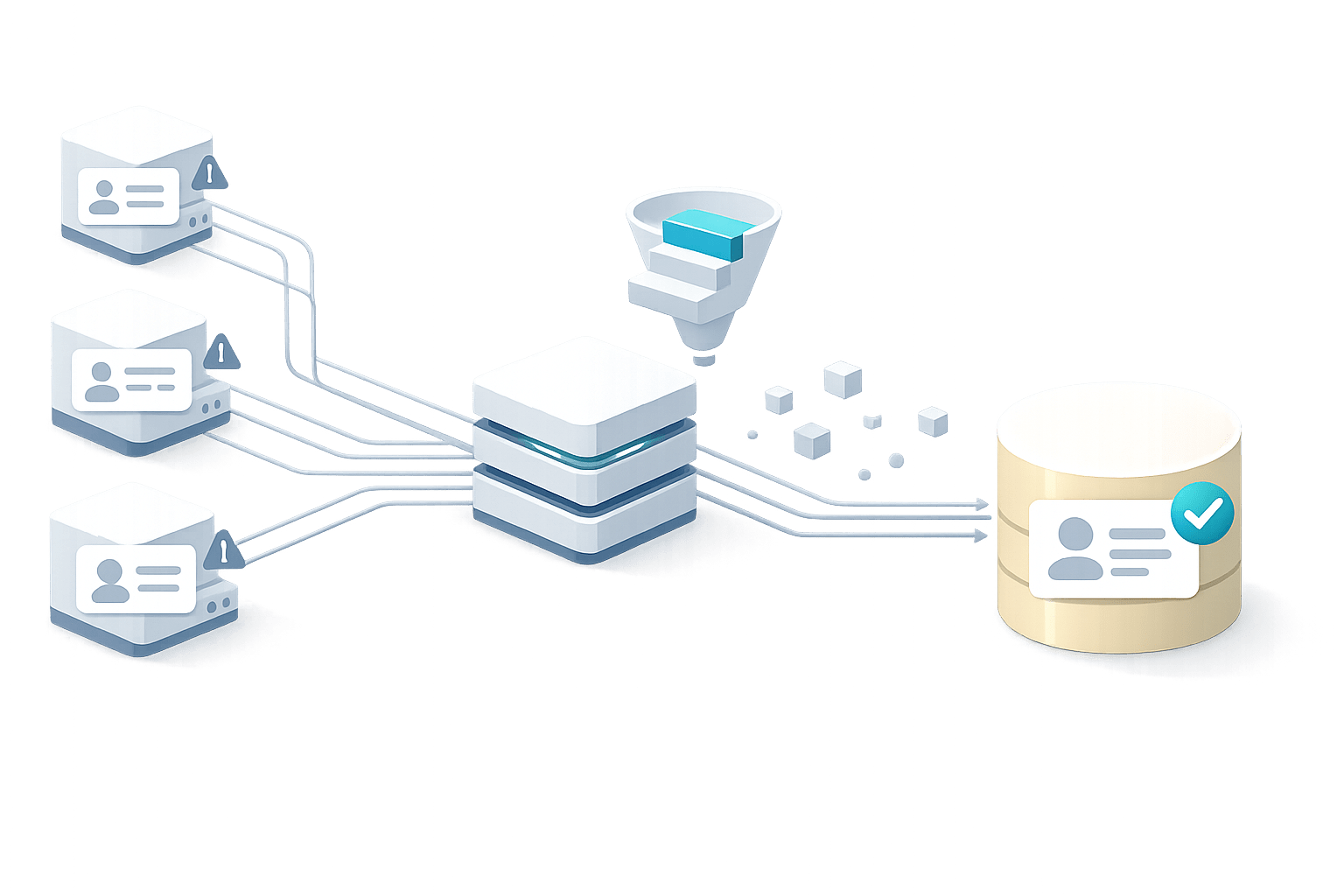
Direct is not a channel; it’s a lack of evidence. Some of it is real (bookmarks, typed URLs), but a large portion is private referral. A more useful mindset is:
- What % of Direct is plausibly caused by my owned sends (newsletter) and dark social sharing (messaging apps)?
- What measurement setup reduces that ambiguity without adding user tracking?
This is also where naming discipline matters. If campaign tags are inconsistent, “Direct inflation” becomes impossible to quantify. If you’ve ever cleaned up UTM chaos, you’ll recognize the pattern in the UTM tax and the fix for inconsistent campaign naming.
Principle two: prefer first-party, readable URLs over shorteners
If you avoid link shorteners, you need links that are still manageable inside emails and messages. Two tactics work well:
- Create human-friendly landing URLs (e.g.,
/newsletter,/start,/guide) instead of pasting deep query-heavy links. - Use lightweight query parameters only when you need them, and keep them consistent.
This preserves deliverability, avoids extra redirects, and makes it more likely that recipients will share the original URL without stripping everything after a ?.
Measuring newsletter traffic without cookies
Use campaign parameters intentionally
The most robust method for newsletters is still campaign tagging, because it does not rely on cookies—only on the URL. When someone clicks, your analytics can categorize the session immediately.
Keep it boring and repeatable. For example:
utm_source=newsletterutm_medium=emailutm_campaign=2026-05-product-update(or another stable convention)
For editorial newsletters, consider a second layer such as utm_content for link position (top, middle, footer) if it influences clicks. Avoid inventing new keys per send; that’s how attribution becomes unmaintainable.
Design a “no-tag” fallback for forwarded emails
Forwarded emails and copied links are where tags often get lost. A simple fallback is to include at least one prominent link that is memorable and stable, like /go or /newsletter, and treat visits to that path as a proxy for private referral from your newsletter.
This is not perfect attribution; it’s intentional instrumentation. You’re creating a URL that is likely to be used in private contexts and can be measured reliably.
Measuring messaging-app traffic without link shorteners
Messaging apps are harder than newsletters because sharing is uncontrolled. You can’t force UTMs to survive copy/paste, and you won’t always get a referrer. The best options are structural:
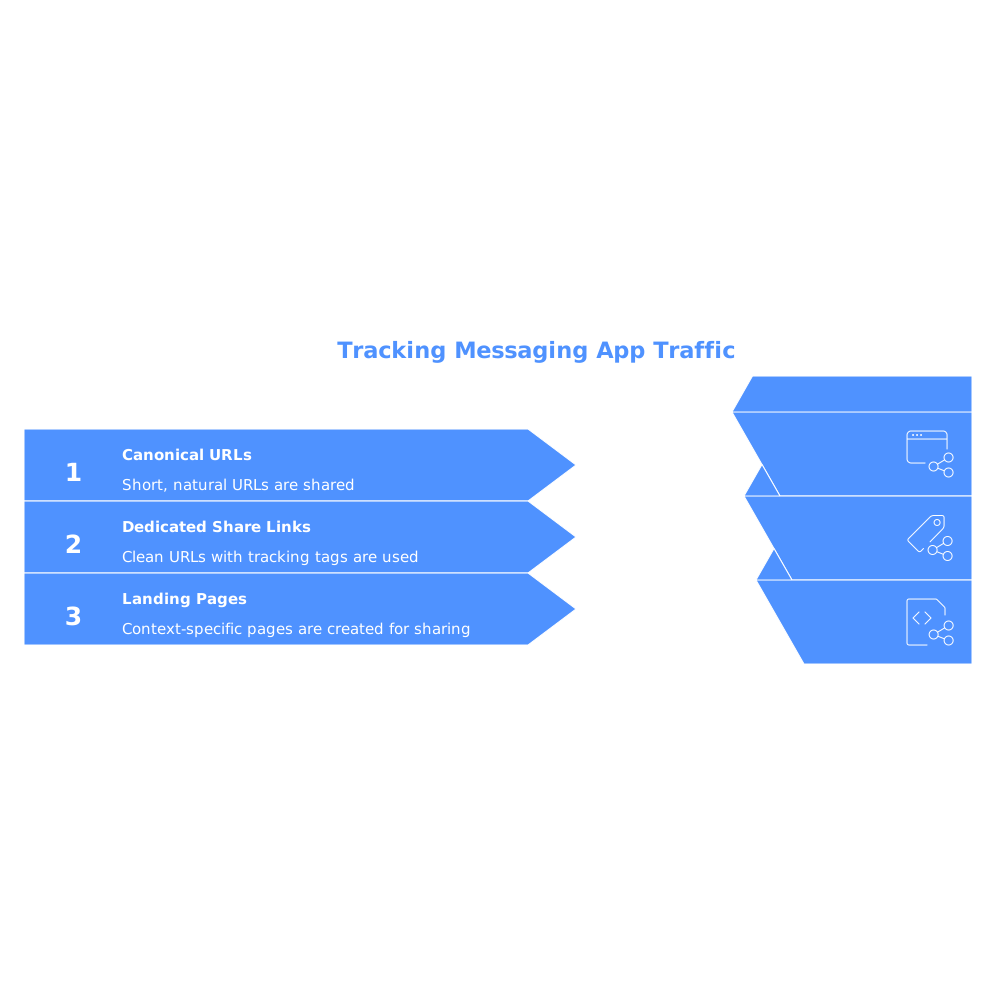
- Share-friendly canonical URLs: short paths that people naturally paste as-is.
- Dedicated “share links” on the page: when users click “Share,” provide a clean URL that includes a minimal tag you control (for example,
?ref=shareor a campaign parameter if that’s your convention). - Landing pages per distribution context: if you frequently share a specific asset in communities (Slack groups, Discords), create a page whose primary purpose is being shared and tracked.
For teams, an operational trick is to keep these share destinations in a small registry so you don’t create duplicates or forget what each link is for. The same thinking behind avoiding duplicated support asks applies here, too: one canonical place beats ten half-tracked variants.
How Plausible fits a privacy-first measurement approach
A privacy-friendly setup is not “no measurement,” it’s measurement with constraints: no cookies, no persistent identifiers, and no cross-site tracking—yet still enough signal to make decisions.
Plausible Analytics is built around that approach. With a lightweight script and an intentionally simple dashboard, you can monitor channel-level performance, analyze UTM-tagged campaigns, and define codeless goals without resorting to invasive tracking. If you want a straightforward way to see what your newsletter campaigns are doing—and how much “Direct” is likely hiding private referrals—plausible.io is a practical reference point.
The key is that you don’t need to identify the person to understand the outcome. You need clean inputs (consistent URLs and tags) and clear outputs (sessions, pages, and goal conversions by channel/campaign).
Quality checks that make private referral reporting usable
Once you implement the basics, do a few sanity checks so you can trust the numbers:
- Run a controlled send: publish one newsletter with strict UTM conventions and compare the lift in campaign traffic vs. lift in Direct during the same time window.
- Compare “share URL” clicks: if you add on-page share links, track whether those tagged URLs correlate with Direct changes.
- Watch for bot filtering: newsletters and public Slack communities can attract automated scanners. Make sure your analytics filters are working so you don’t mistake security previews for human interest.
- Audit your naming monthly: a small taxonomy drift becomes a reporting problem fast.
Private referral won’t ever be perfectly attributable, but it can be measurably less mysterious with deliberate URL design, disciplined campaign naming, and privacy-first analytics.